
Thimbles
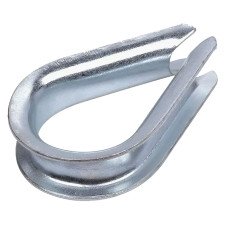
Thimbles: Purpose, Types, and Features of Use
Thimbles are essential components of lifting and rigging systems. These metal fittings, shaped like teardrops, protect ropes or cables from wear, friction, and damage. They are used to create secure loops that prevent slipping and ensure durability.
These elements are made of high-strength steel, stainless steel, or galvanized metal, providing resistance to corrosion and environmental impacts. Thimbles are widely used in various industries such as construction, shipping, logistics, and manufacturing.
Advantages of Using Thimbles
- Wear Protection: Thimbles reduce stress on ropes at bends, extending their lifespan.
- Structural Reinforcement: The metal insert evenly distributes the load, preventing breaks and deformation.
- Versatility: Suitable for use with various rope types, including steel, synthetic, or natural fiber cables.
- Resistance to Harsh Conditions: Stainless steel and galvanized thimbles are protected from corrosion, water exposure, and UV radiation.
- Size Variety: Thimbles are available in diameters from 3 mm to 48 mm, ensuring compatibility with different rope types.
Types of Thimbles
Thimbles vary in shape, material, and application area:
-
Teardrop Thimbles (DIN 6899)
These universal thimbles are commonly used in lifting systems. When secured, they form a rounded loop that ensures even tension distribution. -
Marine Thimbles (GOST 2224-93)
Not limited to maritime industries, these forged thimbles offer high strength and compatibility with steel or synthetic ropes. Markings A, B, and C indicate permissible loads. -
Guy Thimbles (DIN 741)
Designed for stays, structural fixes, and construction purposes, these thimbles feature a compact internal diameter and withstand significant loads with minimal impact on the rope. -
Wedge Thimbles (EN 13411-3)
Ideal for securing rope ends, these thimbles include a wedge fitting with a sleeve and pin for reliable cable retention. -
Closed Thimbles (GOST 28238-89)
These thimbles have edges to prevent rope slipping and are often used with synthetic or organic cables.
How to Choose a Thimble
Step 1: Define Rope Parameters
Select the rope considering its diameter and permissible load.
Step 2: Choose the Right Thimble
The thimble’s groove size should exceed the rope diameter by 2/3. For a 12 mm rope, a thimble with a 48 mm internal diameter is recommended.
Step 3: Ensure Compliance with Standards
Refer to GOST or technical manuals for guidance or consult the manufacturer.
Methods of Securing a Thimble to a Rope
- Weaving Method: Secure the rope with wire 50–70 cm from the end. Bend it around the thimble and weave the loose end between strands, alternating positions.
- Pressing Method: Wrap the rope around the thimble and secure it with an aluminum or steel sleeve using a press.
- Clamp Method: If pressing is unavailable, use clamps. The number depends on the rope’s diameter and loop length.
DIN 6899 Thimbles from 3 to 48 mm
DIN 6899 thimbles are manufactured in diameters ranging from 3 mm to 48 mm, suitable for ropes of various materials and sections.
Benefits of DIN 6899 Thimbles:
- Easy installation.
- Resistance to mechanical damage.
- Durability under extreme operating conditions.
Order thimbles with nationwide delivery across Ukraine and get expert advice to select the right size and type!